Myopia Control
Evidence-Based Myopia Management for Children in North Vancouver
What Is Myopia Control?
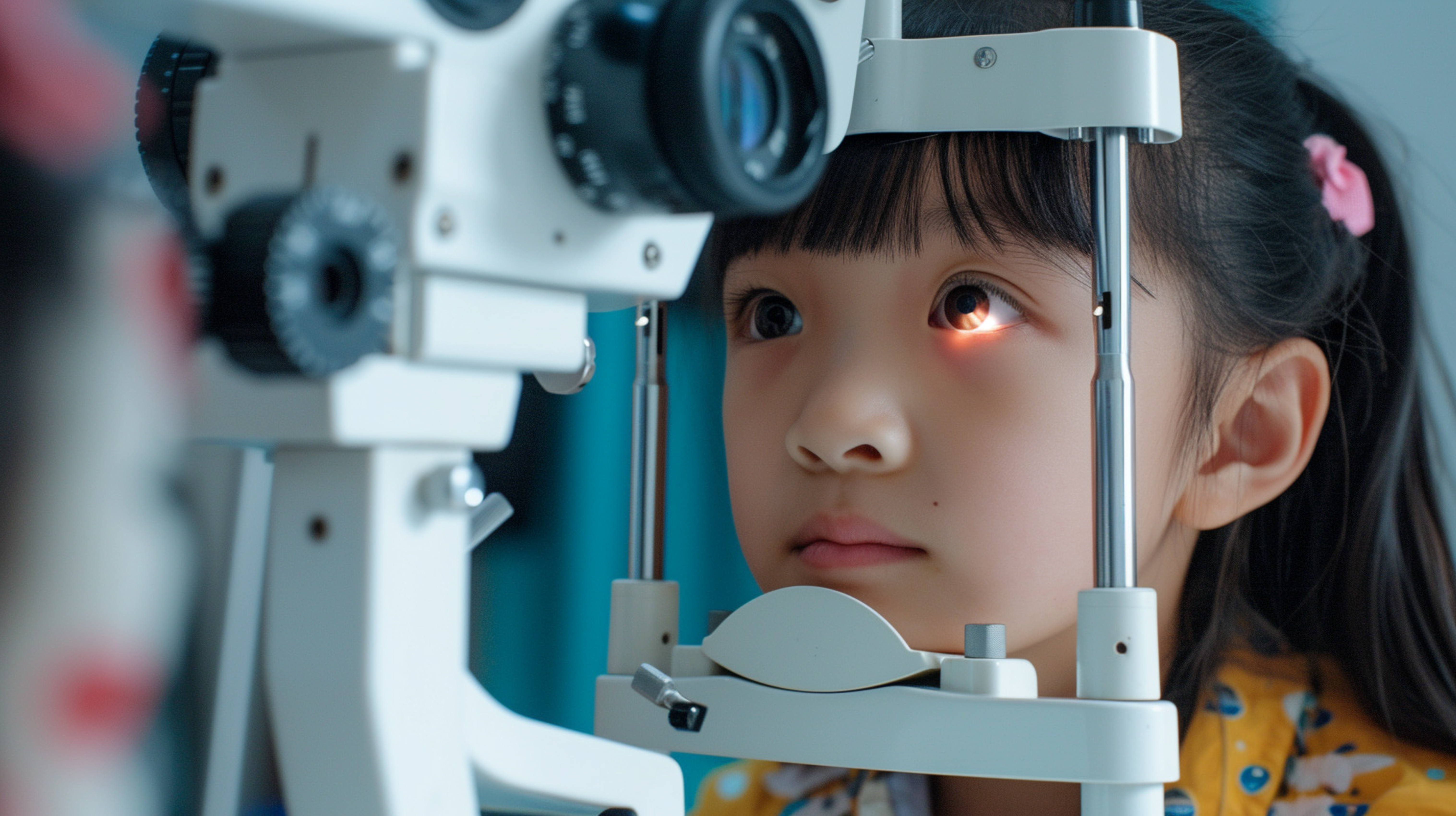
Myopia, commonly known as nearsightedness, is a vision condition in which nearby objects appear clear, while distant objects appear blurry. It typically develops when the eye grows too long from front to back, causing light to focus in front of the retina rather than directly on it. Myopia often begins in childhood and may progressively worsen as the eye continues to grow. Myopia control refers to evidence-based treatments designed to slow the progression of nearsightedness by reducing the rate of prescription changes and excessive eye elongation (axial growth). Unlike standard single-vision glasses or contact lenses, which correct blurry vision but do not specifically slow progression, myopia control treatments aim to reduce the risk of developing high myopia and its associated long-term eye health complications. As myopia progresses, the risk of certain eye diseases increases, including retinal detachment, myopic maculopathy, glaucoma, and cataracts. These risks generally rise with higher degrees of myopia, highlighting the importance of early detection and timely intervention during childhood.
What's Included
- Comprehensive Myopia Assessment
We assess your child’s prescription, eye health, family history, visual habits, risk factors and progression to determine the most appropriate management strategy
- Myopia-Control Spectacle Lenses
Specialized spectacle lens designs provide clear vision while helping slow myopia progression and axial eye growth
- Myopia-Control Soft Contact Lenses
Specialized daily disposable or multifocal soft contact lenses can correct vision while helping slow myopia progression in appropriately selected children
- Low-Dose Atropine
Prescription low-dose atropine eye drops may help slow myopia progression and axial eye growth. Major clinical studies, including the ATOM and LAMP trials, support atropine as an option for childhood myopia management
- Combination Therapy
For some children, one treatment alone may not provide enough control. Combining low-dose atropine with an optical myopia-control treatment may provide additional slowing of eye growth. Selected combinations, including atropine with DIMS-based spectacle lenses, have shown additional benefit in clinical studies
- Ongoing Monitoring
Regular follow-up visits allow us to monitor prescription changes and eye growth and adjust the management plan when needed
Best for: Children with progressing myopia or increased risk of developing myopia
Book Your Child’s Eye ExamQuestions? Call (604) 413-4393
What Causes Myopia?
Myopia develops through a combination of genetic and environmental factors. Children with one or both parents who are myopic are more likely to develop myopia themselves.
Environmental and lifestyle factors may also play a role. Less time spent outdoors, prolonged close work, and extended periods of reading or using digital devices at a close distance have been associated with a higher risk of myopia development and progression.
Because several factors can contribute at the same time, early eye examinations and regular monitoring are important for identifying children who may be at greater risk.
How Is Myopia Diagnosed?
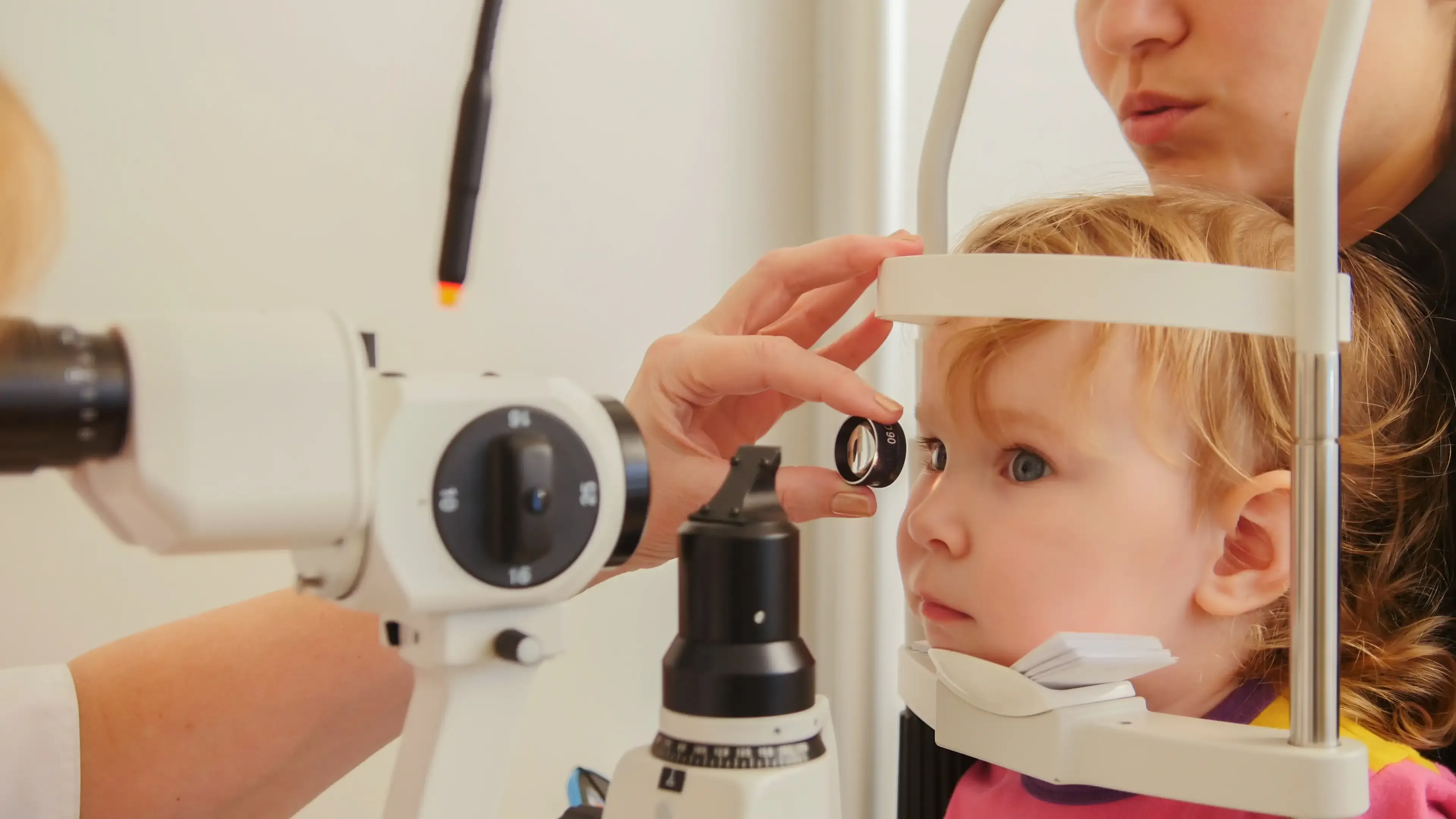
Myopia is diagnosed through a comprehensive eye examination. Because children may not recognize or describe vision problems, early signs can be easy to miss.
Common signs can include squinting, sitting closer to screens or the television, difficulty seeing the board at school, or trouble recognizing distant objects.
At NORViSTA Eye Care, we assess your child’s vision, prescription and eye health and monitor changes over time to identify progressing myopia early.
Myopia Management Options at NORViSTA
NORViSTA focuses on evidence-based myopia-management options designed to help slow myopia progression and axial eye growth in children.
Management may include myopia-control spectacle lenses, such as MiYOSMART® and Stellest®; myopia-control soft contact lenses, such as MiSight® 1 day and ACUVUE® ABILITI® 1-Day; low-dose atropine; selected combination therapy; and regular monitoring of prescription and eye growth.
The most appropriate approach depends on the child’s age, prescription, rate of progression, eye growth, risk factors, and individual needs.
Other Myopia-Control Approaches
Orthokeratology (Ortho-K)
Orthokeratology uses specially designed rigid contact lenses worn overnight to temporarily reshape the cornea. It is an established myopia-control option, but overnight lens wear carries a different ocular risk profile, including microbial keratitis and other corneal complications. NORViSTA does not currently provide Ortho-K.
Repeated Low-Level Red-Light (RLRL) Therapy
RLRL is an emerging myopia-control approach that has shown promising reductions in myopia progression and axial eye growth in clinical studies. However, questions remain regarding long-term safety, rebound after treatment, device-specific effects, and reported retinal changes. NORViSTA does not currently provide RLRL therapy.
Should Myopia Be Under-corrected?
No. Deliberately giving a child a weaker-than-needed prescription has historically been suggested as a way to slow myopia, but current evidence does not support this approach.
Children should receive clear, appropriate vision correction while evidence-based myopia-control strategies are used when indicated.
Who May Benefit From Myopia Control?
Myopia management is not only for children who are already nearsighted. Young children are normally somewhat farsighted, and this usually decreases gradually as the eyes grow.
A child who has less farsightedness than expected for their age, or who reaches no prescription earlier than expected, may be at greater risk of developing myopia. This is especially important when combined with other risk factors such as one or both parents having high or pathological myopia, increasing axial eye length, or rapid prescription changes.
These children may benefit from closer monitoring of their prescription and eye growth. In selected high-risk children who have not yet developed myopia, preventive myopia-management strategies may also be considered, including specialized spectacle lenses when clinically appropriate.
Early identification allows us to monitor eye growth closely and consider intervention before significant myopia develops.
Frequently Asked Questions About Myopia Control
What can parents do to help reduce myopia risk or progression?
Parents can encourage regular outdoor time, limit prolonged uninterrupted near work, promote appropriate working distances for reading and digital devices, and make sure children have regular eye examinations.
Children who are already myopic, or who have risk factors for developing myopia, may need closer monitoring so changes in prescription and eye growth can be identified early.
Can myopia be cured or reversed?
Myopia cannot currently be permanently cured or reversed. However, vision can be corrected, and evidence-based myopia-management strategies may help slow its progression during childhood.
What is high myopia and why does it matter?
High myopia is generally defined as more than 6.00 diopters of myopia (−6.00 D or greater). It is associated with a higher lifetime risk of eye conditions such as retinal detachment, glaucoma, myopic macular degeneration, and other retinal complications. One of the goals of childhood myopia management is to slow progression and reduce the likelihood of reaching high levels of myopia later in life.
How effective is myopia control?
Effectiveness varies depending on the treatment, the child’s age, prescription, adherence, and individual response. No approach completely stops progression in every child, but several spectacle, contact-lens, and pharmacologic options have been shown to meaningfully slow progression.
Can more than one myopia-control method be used together?
Yes. In selected children, combination therapy may provide additional control. This may include low-dose atropine together with an optical myopia-control strategy.
Can adults develop myopia?
Yes. Myopia can develop or progress in adulthood. In some adults, a shift toward greater myopia can also occur as cataracts develop because changes in the natural crystalline lens alter its refractive power. This is often referred to as a myopic shift and is commonly associated with nuclear cataract changes.
A new or noticeable change in prescription should therefore be assessed to determine whether it represents true myopia progression, cataract-related refractive change, or another eye condition.
Can laser eye surgery cure myopia?
Laser vision correction such as LASIK can reduce dependence on glasses or contact lenses by changing the shape of the cornea. However, it does not shorten an elongated eye or remove the underlying eye-health risks associated with high myopia.
Concerned About Your Child’s Myopia?
Early assessment and regular monitoring can help determine whether myopia is developing or progressing and whether myopia-management strategies should be considered.
At NORViSTA Eye Care, we assess prescription changes, eye health, risk factors, and eye growth to develop an individualized management plan for each child.
Book a Children’s Eye Exam at NORViSTA Eye Care in North Vancouver.
Clinical Evidence & References
Myopia-management recommendations at NORViSTA Eye Care are informed by current clinical evidence, including major studies on low-dose atropine, specialized spectacle lenses, soft contact lenses, combination therapy, and myopia progression.
- LAMP Study — low-dose atropine for childhood myopia control
- ATOM Studies — atropine efficacy and concentration comparisons
- ASPECT Trial — DIMS spectacle lenses combined with low-dose atropine
- Clinical evidence for specialized myopia-control spectacle and soft contact lenses
Explore All Eye Care Services
Children's Eye Exam
Learn More
Comprehensive Eye Exam
Learn More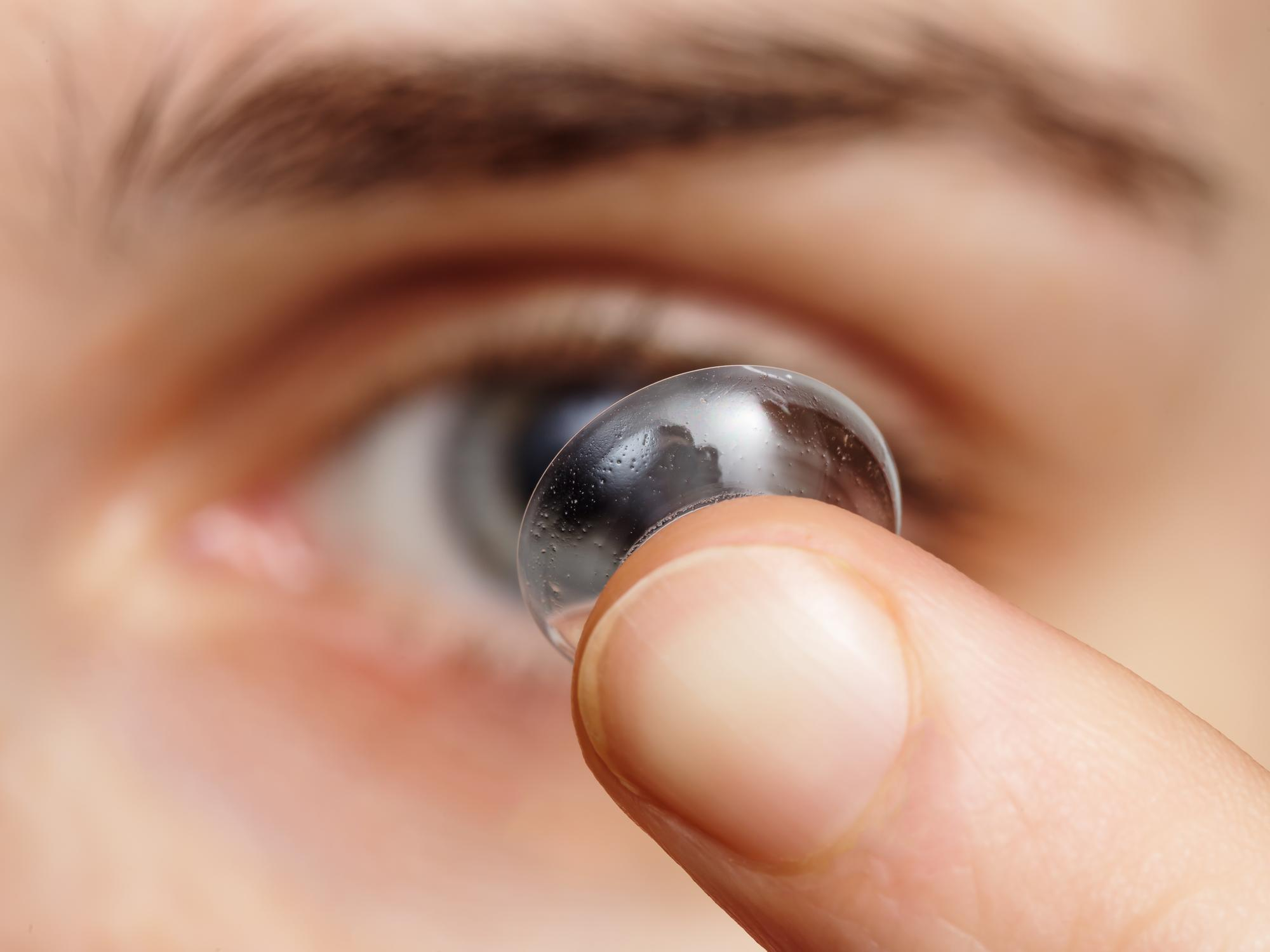
Contact Lens Exams
Learn More
Diabetic Eye Exams
Learn More
Dry Eye Care
Learn More
Glaucoma Screening
Learn More
Medical Eye Care
Learn More
Urgent Eye Care
Learn MoreProtect Your Vision for Life
Regular eye examinations play an important role in detecting vision changes and eye disease before symptoms develop. Schedule your visit today and experience personalized, technology-driven eye care.
Book an Appointment